
About Us

History of Adventist Work in Southern Pakistan

From a colporteur in Karachi in 1937 to a Section serving Sindh and Balochistan.

From humble beginnings to a growing mission

A chronological account of the early Adventist work in Karachi, interior Sindh and Balochistan, as recorded in the Section’s historical document.

Chapter 11937–1954

Our historical journey

The first Adventist workers in Karachi and interior Sindh.

  1. 1937

    Early work

    A mission begins in Karachi

    Pastor Norton Bolt arrived in Karachi as a colporteur. Together with his wife, he began ministerial and medical work while living in a rented home. National workers joined the effort, preaching and establishing Branch Sabbath Schools across Karachi.
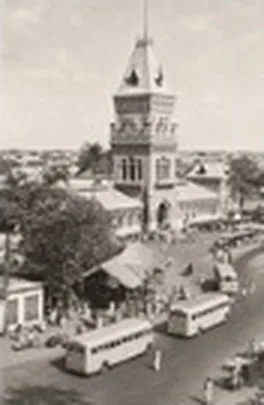
    Karachi street scene with a clock tower, mid-20th century
  2. 1950

    Growing community

    The Karachi chapel and first workers

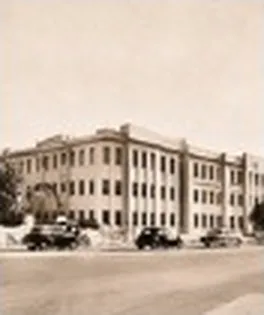
    After Partition, D. S. Johnson began construction of a chapel at the site now associated with Karachi Adventist Hospital; it was completed in 1950. Sultan Ahmed preached from Mission Road, while Mela Ram and B. M. Barkat worked in Saddar. Akbar Masih Akbar later served as Oriental Chaplain at the hospital.

    A large hospital building on a Karachi street, mid-20th century
  3. 1950s

    Faith in action

    Evangelism, healthcare and outreach

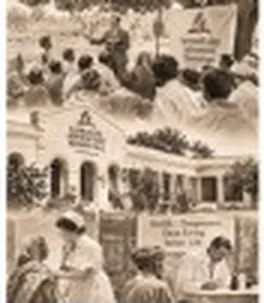
    Hospital and church workers, together with overseas workers William H. Maghi, Barkle, D. S. Johnson and Rebark, held evangelistic meetings at Nishtar Park. Patients from interior Sindh invited workers into their communities; health and temperance outreach helped the Adventist message spread beyond Karachi.

    Illustration: an evangelistic meeting and a health clinic
    Illustration
  4. 1954

    Further connections

    The Tando Allahyar connection

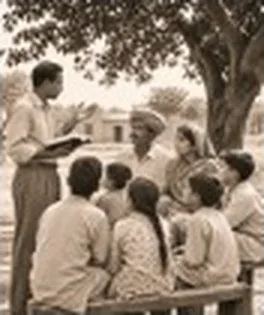
    Pastor Hakim Din transferred to Hyderabad. In 1954, Mr. Ghore, after discharge from the hospital, contacted him and requested a visit to his family in Tando Allahyar. Three children were sent to PASC in Chuharkana (Farooqabad) for Christian education; the family later accepted the biblical message. Two sons subsequently worked at the hospital.

    Illustration: a pastor reading the Bible with a family under a tree
    Illustration

Chapter 21960–1973

Expanding the mission

From Karachi to communities across Sindh and Balochistan.

  1. 1960–1961

    A wider mission

    Into Balochistan and across Sindh

    Pastor Akbar Masih Akbar and Dr. Zain Al Abideen pioneered Adventist work in Balochistan around 1960. In 1961, Pakistan Union assigned three workers to expand the mission throughout Sindh.

1961

Three regional mission fields

The three workers assigned in 1961, and the places each one served.

  1. Hyderabad & surrounding areas

    Pr. Akbar Masih Akbar

    Assisted by Bashir Alam and Yaqoob Din

    11 places

    • Phuleli Paar
    • Jamshoro
    • Kotri
    • Tando Jam
    • Pid Iden
    • Bhiria Road
    • Tando Muhammad Khan
    • Mirpur Khas
    • Tando Allahyar
    • Latifabad
    • Bakra Peeri
  2. Nawabshah & surrounding areas

    Pr. Arshad George Mall

    4 places

    • Isser Pura
    • Sukrand
    • Shahdadpur
    • Mehrabpur
  3. Sukkur & northern Sindh

    Pr. John Barkat

    10 places

    • Khairpur
    • Shikarpur
    • Jacobabad
    • Larkana
    • Rohri
    • Ghotki
    • Pano Aqil
    • Dharki
    • Mirpur Mathelo
    • Mirpur Sakro
  1. 1967–1973

    Establishing the Section

    From Mirpur Khas to Karachi

    In 1967, a plot was purchased in Mirpur Khas for a head office, mission house and school. John Daniel was appointed schoolteacher, and Akbar Masih Akbar was given responsibility as area in-charge. In 1973, under Pr. Rehmat Masih Khan, the headquarters moved to the hospital premises in Karachi. The field was known as Sindh Section and later Southern Section, encompassing Sindh and Balochistan.

Section snapshot

As recorded in the Section’s historical document.

Churches
36
Companies
27
Regular pastors
18
Global Mission
08
Also recorded
  • 7 contract workers
  • 1 volunteer
  • 1 cashier
  • 3 retirees
  • 4,000 missionaries

The story continues

See how the Section is organised today and how it fits into the world Church.

Organizational structure